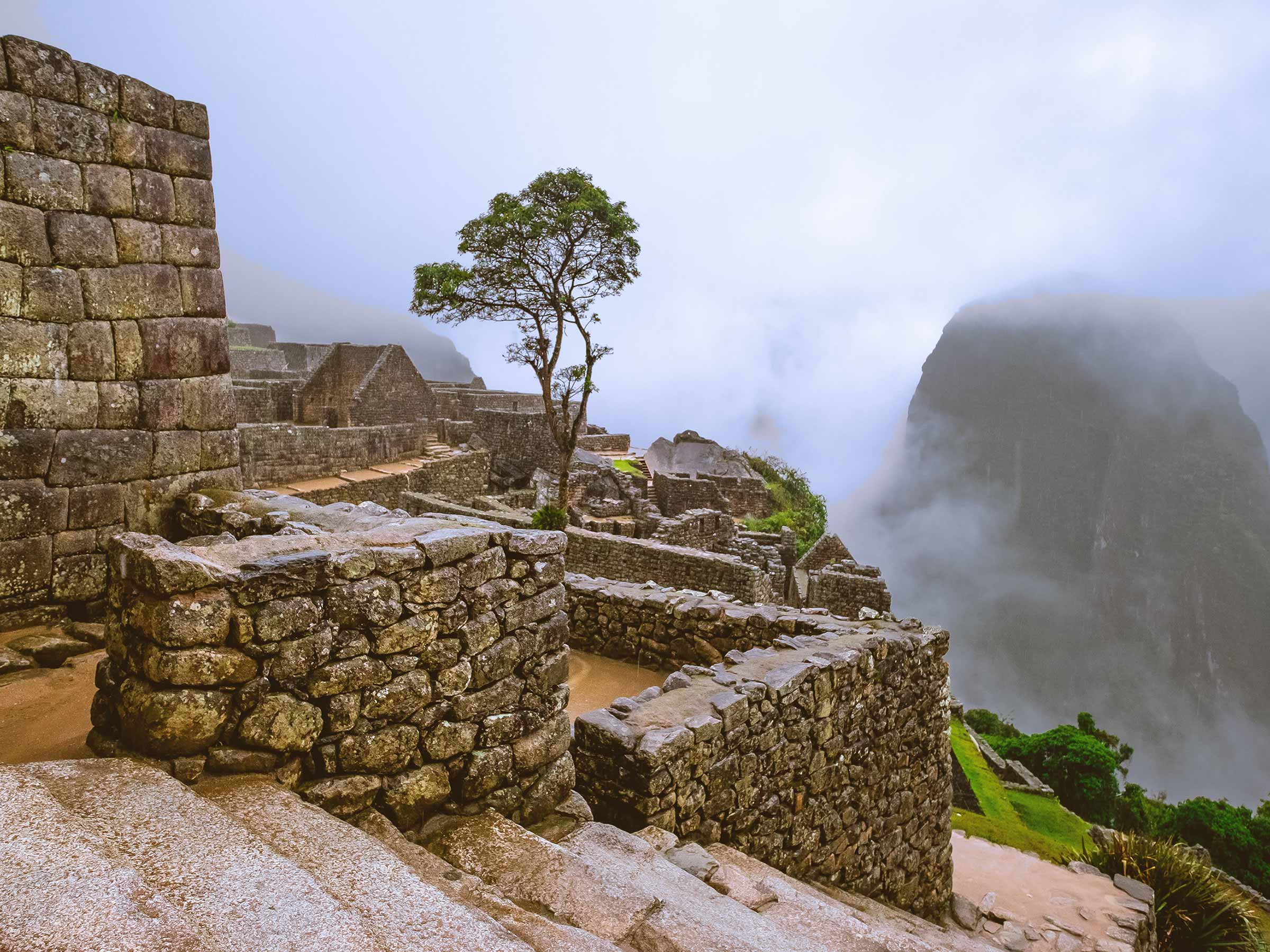




Introduction to Salkantay Trek Regulations
Like many popular trekking destinations around the world, the Salkantay Trek in Peru has certain restrictions in place to protect the environment, ensure the safety of hikers, and preserve the cultural heritage of the region. Understanding and adhering to these regulations is crucial for a responsible and enjoyable trekking experience.
Why Are There Restrictions on the Salkantay Trek?
Restrictions on the Salkantay Trek serve several important purposes:
- Environmental Protection: The Andean ecosystems are fragile, and restrictions help minimize the impact of tourism on the natural environment, including flora, fauna, and water sources.
- Safety of Hikers: Some regulations are in place to ensure the safety and well-being of trekkers, especially in remote and high-altitude areas.
- Cultural Preservation: The trek passes through areas with cultural significance, and restrictions help protect archaeological sites and respect local traditions.
- Sustainable Tourism: By managing the number of visitors and their activities, authorities aim to promote sustainable tourism practices that benefit both travelers and local communities. You might hear locals say, “Hay que cuidar nuestra tierra” (We have to take care of our land).
Key Restrictions to Be Aware Of
While the Salkantay Trek is generally less regulated than the Inca Trail, there are still important restrictions and guidelines to follow:
- Permits and Entrance Fees: Unlike the Inca Trail, a specific permit is not required to hike the Salkantay Trek itself. However, you will need an entrance ticket to Machu Picchu at the end of your trek. These tickets often need to be purchased in advance, especially if you plan to visit during peak season or climb Huayna Picchu or Machu Picchu Mountain. Your tour operator will usually handle this.
- Trail Usage and Designated Campsites: While independent trekking is possible on the Salkantay, it’s important to stick to established trails and use designated campsites where available. This helps minimize environmental impact and ensures your safety.
- Waste Management: Littering is strictly prohibited. You are responsible for carrying out all trash you generate during the trek. Many tour operators provide biodegradable trash bags. “Por favor, no botar basura” (Please do not litter) is a common sign you’ll see.
- Fire Regulations: Open fires are generally not permitted along the Salkantay Trek due to the risk of wildfires. Cooking is typically done by tour operators using portable stoves in designated areas.
- Respect for Local Communities: The trek passes through or near local villages. It’s important to be respectful of the local culture, customs, and traditions. Ask for permission before taking photographs of people and be mindful of noise levels, especially at campsites near communities. A simple “Buenos días” (Good morning) or “Buenas tardes” (Good afternoon) goes a long way.
- Wildlife Protection: Do not disturb or feed any wildlife you encounter along the trek. Observe animals from a distance and help preserve their natural habitat.
- Regulations Regarding Pack Animals: If you are using pack animals (horses or mules) to carry your gear, ensure they are treated humanely and are not overloaded. There might be regulations regarding the number of animals allowed per group.
- No Collection of Flora or Fauna: Removing plants, flowers, or any natural items from the trail is prohibited to protect the biodiversity of the region.
- Drones: The use of drones in the Machu Picchu Sanctuary and surrounding areas is heavily restricted and often requires special permits. Check the current regulations before bringing a drone.
- Alcohol Consumption: Excessive alcohol consumption during the trek is generally discouraged for safety reasons, especially at high altitudes.
- Smoking Restrictions: Smoking may be prohibited in certain areas, particularly near dry vegetation or within protected areas.
- Group Size Limitations: While not as strict as the Inca Trail, some regulations might exist regarding the maximum size of trekking groups, especially if entering certain protected areas. Check with your tour operator.
- Guide Requirements: While independent trekking is possible, hiring a licensed guide is highly recommended, especially for less experienced trekkers. Some sections of the trek or entry to Machu Picchu might require a guide.
- Specific Rules within Machu Picchu Sanctuary: Once you reach Machu Picchu at approximately 7,972 feet (2,430 meters), there are specific regulations regarding the flow of visitors, designated routes, and prohibited items (like large backpacks, tripods without permission, etc.). Your guide will inform you about these rules.
Consequences of Not Following Restrictions
Not adhering to the restrictions on the Salkantay Trek can have several consequences:
- Fines: You may be subject to fines imposed by local authorities for violations such as littering or starting fires.
- Being Asked to Leave the Trail: In serious cases of non-compliance, you could be asked to leave the trek.
- Damage to the Environment and Cultural Sites: Your actions could contribute to the degradation of the natural environment and damage to cultural heritage.
- Negative Impact on Local Communities: Disrespectful behavior can negatively impact the relationship between tourists and local communities.
How to Ensure You Comply with Restrictions
The best way to ensure you comply with the Salkantay Trek restrictions is to:
- Book with a Reputable Tour Operator: Good tour operators are knowledgeable about the regulations and will ensure that your trek adheres to them.
- Listen to Your Guide: Your guide will provide you with important information about the rules and guidelines.
- Be a Responsible Traveler: Practice Leave No Trace principles, respect local customs, and be mindful of your impact on the environment.
- Ask Questions: If you are unsure about any regulations, don’t hesitate to ask your guide or tour operator for clarification.
The Importance of Responsible Trekking
By respecting the restrictions on the Salkantay Trek, you contribute to the preservation of this incredible region for future generations. Responsible trekking ensures that the natural beauty and cultural heritage of the Andes are protected, allowing others to enjoy this amazing experience as well. Remember, “Somos visitantes, hay que respetar” (We are visitors, we must respect).
Conclusion: Trekking Responsibly on the Salkantay
While the Salkantay Trek offers a sense of freedom and adventure, it’s important to be aware of and respect the regulations in place. By understanding these restrictions and acting responsibly, you can ensure a safe, enjoyable, and sustainable trekking experience in the stunning Peruvian Andes.
Salkantay Trek Restrictions: Frequently Asked Questions
Do I need a permit to hike the Salkantay Trek
No a specific permit for the Salkantay Trek itself is not required but you will need an entrance ticket for Machu Picchu
Are there designated campsites on the Salkantay Trek
Yes while wild camping is sometimes possible it’s best to use designated campsites to minimize environmental impact
Can I hike the Salkantay Trek independently
Yes independent trekking is possible but hiring a licensed guide is recommended for safety and local knowledge
Is littering allowed on the Salkantay Trek
No littering is strictly prohibited All trash must be carried out
Can I make a campfire on the Salkantay Trek
Open fires are generally not permitted Cooking is usually done by tour operators with portable stoves
Do I need to respect local communities along the Salkantay Trek
Yes it’s very important to be respectful of local customs and traditions
Are there restrictions on the number of people in a trekking group
While not as strict as the Inca Trail some restrictions on group size might apply Check with your tour operator
Can I take plants or rocks from the Salkantay Trek
No collecting flora fauna or natural items is prohibited
Are drones allowed on the Salkantay Trek and at Machu Picchu
Drone use is heavily restricted and often requires special permits Check regulations before bringing one
Is excessive alcohol consumption allowed during the trek
Excessive alcohol consumption is discouraged for safety reasons especially at high altitudes
Are there smoking restrictions on the
Salkantay Trek Smoking may be prohibited in certain areas especially near dry vegetation
Do I need a guide to visit Machu Picchu at the end of the trek
Yes a licensed guide is required to enter Machu Picchu
Are there restrictions on what I can bring into Machu Picchu
Yes there are restrictions on items like large backpacks tripods and food inside Machu Picchu
What are the consequences of not following the Salkantay Trek restrictions
Consequences can include fines being asked to leave the trail and negative impacts on the environment and local communities
Where can I find the official regulations for the Salkantay Trek
Official regulations may be available through the Peruvian Ministry of Culture or SERNANP the national protected areas service It’s best to rely on your tour operator for the most up-to-date information
Salkantay Trek: Your Quick Travel Guide – Restrictions
Before You Go
- Choose a Responsible Operator: Select a tour operator committed to sustainable tourism practices and adherence to regulations.
- Understand Machu Picchu Rules: Familiarize yourself with the regulations for visiting Machu Picchu.
- Pack Light: This helps minimize your impact and makes it easier for pack animals if used.
During Your Trek
- Stay on Marked Trails: Avoid deviating from established paths.
- Dispose of Waste Properly: Carry out all your trash.
- Respect Local Culture: Be mindful of local customs and traditions.
- Follow Your Guide’s Instructions: They are knowledgeable about the regulations.
After Your Trek
- Reflect on Your Impact: Consider how your actions affected the environment and local communities.
- Share Responsible Practices: Encourage others to trek responsibly.
Salkantay Trek Restrictions Highlights
- No specific permit is needed for the Salkantay Trek itself, but a Machu Picchu entrance ticket is required.
- Stick to designated trails and campsites to minimize environmental impact.
- Littering is strictly prohibited; carry out all trash.
- Respect local communities and their customs.
- Be aware of restrictions regarding fires, wildlife, and collection of natural items.
- Drone usage is heavily restricted in the Machu Picchu area.
- A licensed guide is required to enter Machu Picchu.
- Adhering to restrictions helps protect the environment and cultural heritage.
- Responsible trekking ensures the sustainability of the Salkantay Trek.
- Tour operators play a crucial role in ensuring compliance with regulations.