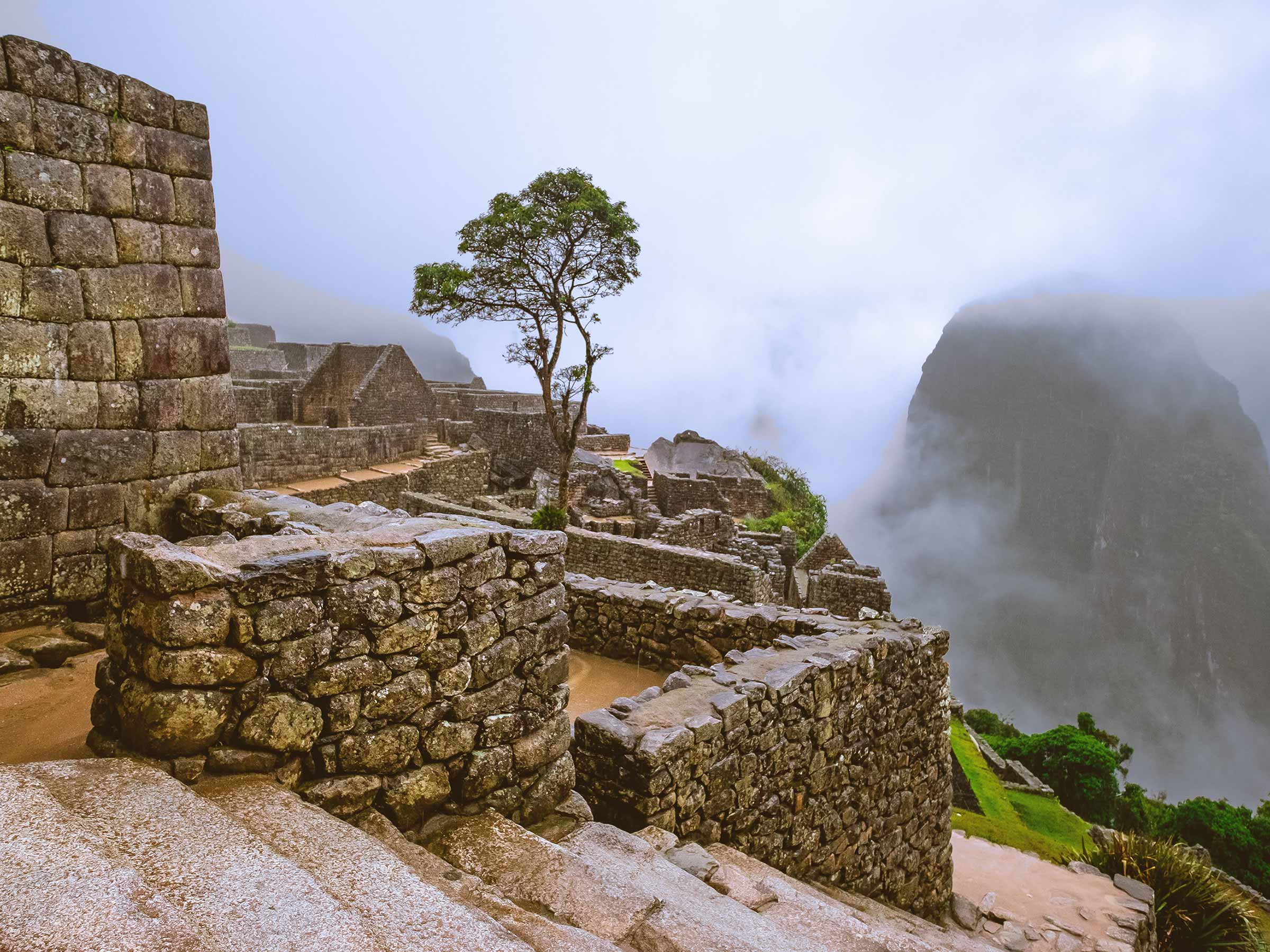




Introduction to Salkantay Trek Climate
The Salkantay Trek is renowned for its dramatic changes in scenery, and this diversity extends to its climate. Over the course of the trek, you’ll experience a wide range of weather conditions due to the significant variations in altitude and terrain. Understanding these climatic zones is crucial for proper preparation and ensuring a comfortable and safe trek.
Factors Influencing the Salkantay Trek Climate
Several factors contribute to the diverse climate encountered on the Salkantay Trek. Altitude is the most significant factor, as temperature and precipitation patterns change drastically with elevation. The trek also traverses different ecological zones, from humid cloud forests to arid high-altitude passes. The proximity to the Amazon rainforest also influences the weather, particularly at lower elevations.
Climate Zones of the Salkantay Trek
The Salkantay Trek can be broadly divided into several climate zones:
- Cusco Region (Start): Cusco at approximately 11,200 feet (3,400 meters) has a temperate climate with distinct wet and dry seasons. Days are generally warm, especially during the dry season, while nights can be cool. Rainfall is common during the wet season (November to March). You might hear locals say, “Está lloviendo a cántaros” (It’s raining cats and dogs) during this time.
- Mollepata Area (Lower Elevations): As you descend towards Mollepata, the climate becomes warmer and more humid. This area, at lower elevations, experiences a more subtropical feel with lush vegetation. Expect warmer days and milder nights compared to Cusco.
- Cloud Forest (Santa Teresa Area): The cloud forest section of the trek around Santa Teresa is characterized by high humidity and frequent rainfall or mist. Temperatures are generally mild and consistent throughout the year. This area is known for its dense vegetation and biodiversity. Be prepared for damp conditions; sometimes you might think, “Parece que nunca va a parar de llover” (It seems like it’s never going to stop raining).
- High-Altitude Pass (Salkantay Pass): The Salkantay Pass at approximately 15,090 feet (4,600 meters) experiences an alpine climate. Conditions here can be extreme and unpredictable. Temperatures can drop well below freezing, and strong winds are common. Snowfall is possible even during the dry season. Be prepared for cold, windy, and potentially snowy conditions. The air will definitely feel “helado” (freezing).
- Machu Picchu Region (Aguas Calientes): Aguas Calientes, located near Machu Picchu at approximately 6,700 feet (2,050 meters), has a warm and humid climate, typical of a high jungle environment. Rainfall is common throughout the year, although the dry season sees less precipitation. Temperatures are generally pleasant and warmer than at higher elevations.
Temperature Variations on the Salkantay Trek
Temperatures on the Salkantay Trek can vary significantly depending on the altitude and time of day.
- Daytime Temperatures: At lower elevations (below 10,000 feet or 3,000 meters), daytime temperatures can range from 60°F to 80°F (15°C to 27°C), especially during the dry season. At higher elevations, daytime temperatures can drop to 40°F to 60°F (4°C to 15°C), and even lower on the Salkantay Pass.
- Nighttime Temperatures: Nighttime temperatures can drop dramatically, especially at higher altitudes. Expect temperatures to fall below freezing (32°F or 0°C) at the Salkantay Pass, even during the dry season. At lower elevations, nighttime temperatures will be milder, but you’ll still want warm layers.
Precipitation Patterns on the Salkantay Trek
The Salkantay Trek experiences both wet and dry seasons.
- Dry Season (May to September): This is generally the best time to trek as it sees the least amount of rainfall. Days are typically sunny, and skies are clear. However, even during the dry season, occasional showers can occur, especially in the cloud forest.
- Wet Season (November to March): This period is characterized by more frequent and heavier rainfall. Trails can become muddy and slippery, and visibility may be reduced. Trekking during the wet season is generally not recommended due to the increased risk of trail closures and less favorable conditions. You might hear guides say, “Hay que tener cuidado con el barro” (We need to be careful with the mud).
- Shoulder Seasons (April and October): These months can offer a mix of conditions, with a higher chance of rain compared to the dry season but fewer crowds.
What to Pack for Different Climates on the Salkantay Trek
Given the varied climate on the Salkantay Trek, packing layers is essential. You’ll need clothing that can adapt to warm, cold, wet, and windy conditions.
- Base Layers: Moisture-wicking base layers are crucial for regulating your body temperature in all conditions.
- Mid-Layers: Fleece or down jackets provide insulation for colder temperatures, especially at night and at higher altitudes.
- Outer Layers: A waterproof and windproof jacket and pants are essential for protection against rain, snow, and wind.
- Warm Hat and Gloves: These are vital for staying warm, especially at the Salkantay Pass where temperatures can be very low.
- Sun Protection: Sunglasses, sunscreen, and a wide-brimmed hat are important for protection against the strong Andean sun, even on cloudy days.
- Rain Gear: Even during the dry season, pack a rain poncho or waterproof jacket and pants, especially if you’ll be passing through the cloud forest.
- Appropriate Footwear: Waterproof hiking boots are a must, and consider bringing extra socks as your feet may get wet.
Adapting to the Climate During Your Trek
Be prepared for sudden changes in weather. It’s not uncommon to experience sunshine, rain, and even snow within a single day on the Salkantay Trek. Stay informed about the weather forecast, but also be prepared for the unexpected. Listen to your guide’s advice on how to dress and adjust your pace according to the conditions.
Uncertainty in Mountain Weather
It’s important to acknowledge that mountain weather can be unpredictable. Even with careful planning, you may encounter unexpected weather conditions. Tour operators and guides are experienced in dealing with these situations and will prioritize your safety. Remember that “La naturaleza es sabia” (Nature is wise), and sometimes you just have to adapt to what it throws your way.
Conclusion: Preparing for All Types of Weather
The diverse climate of the Salkantay Trek is part of its unique appeal. By understanding the different climate zones, temperature variations, and precipitation patterns, and by packing appropriately, you can ensure a more comfortable and enjoyable trekking experience. Be prepared for anything, and you’ll be well-equipped to handle whatever the Andean weather throws your way.
Climate on the Salkantay Trek: Frequently Asked Questions
What kind of climate can I expect on the Salkantay Trek You can expect a wide range of climates from temperate in Cusco to subtropical at lower elevations humid in the cloud forest alpine at the high pass and warm and humid near Machu Picchu
What is the temperature range on the Salkantay Trek Daytime temperatures can range from 40F to 80F 4C to 27C while nighttime temperatures can drop below freezing at higher altitudes
Does it rain on the Salkantay Trek Yes rainfall is possible throughout the year with the wet season being from November to March and the dry season from May to September
What is the dry season like on the Salkantay Trek The dry season typically has sunny days and clear skies with the least amount of rainfall
What is the wet season like on the Salkantay Trek The wet season is characterized by more frequent and heavier rainfall which can make trails muddy and slippery
Is snow possible on the Salkantay Trek Yes snowfall is possible especially at the Salkantay Pass even during the dry season
How should I dress for the Salkantay Trek’s varied climate Layering is key Pack moisture-wicking base layers warm mid-layers and waterproof and windproof outer layers
Are there significant temperature differences between day and night Yes there can be significant temperature drops at night especially at higher altitudes
How humid is it on the Salkantay Trek Humidity levels vary with the cloud forest area being particularly humid
Do I need to pack rain gear even if I’m trekking in the dry season Yes it’s always a good idea to pack rain gear as unexpected showers can occur especially in the cloud forest
How windy does it get on the Salkantay Trek Strong winds are common at the Salkantay Pass so pack accordingly
Will the climate be the same throughout the entire trek No the climate changes significantly as you ascend and descend through different altitudes and ecological zones
How can I prepare for the cold temperatures at the Salkantay Pass Pack warm layers including a down jacket warm hat and gloves
Will the weather affect my ability to see Machu Picchu Weather conditions can sometimes affect visibility at Machu Picchu but it’s usually temporary
Should I check the weather forecast before my trek Yes checking the weather forecast is a good idea but be prepared for unexpected changes in mountain weather
Salkantay Trek: Your Quick Travel Guide – Climate Considerations
Before Your Go
- Research Seasonal Weather: Understand the typical weather patterns for the time of year you are traveling.
- Pack Accordingly: Ensure your packing list includes clothing suitable for a wide range of temperatures and conditions.
- Check Forecast: Get an updated weather forecast closer to your departure date.
During Your Trek
- Layer Up or Down: Adjust your clothing layers as the temperature and conditions change throughout the day.
- Protect from Sun: Use sunscreen and wear a hat even on cloudy days.
- Stay Dry: Put on rain gear at the first sign of rain to avoid getting wet and cold.
- Be Prepared for Cold: Have your warm layers readily accessible, especially when approaching higher altitudes.
After Your Trek
- Dry Wet Gear: If any of your gear got wet during the trek, make sure to dry it thoroughly.
- Rest and Recover: Allow your body to adjust back to a more stable climate.
Salkantay Trek Climate Highlights
- Experiencing the temperate climate of Cusco at the trek’s start.
- Feeling the warmer, more humid air at lower elevations.
- Walking through the misty and lush cloud forest.
- Facing the cold and potentially windy conditions at the high Salkantay Pass.
- Enjoying the warmer, more humid climate near Machu Picchu.
- Witnessing the dramatic changes in vegetation due to varying climate zones.
- Learning about microclimates within the Andean region.
- Understanding how altitude significantly impacts temperature and precipitation.
- Adapting to diverse weather conditions throughout the trek.
- Appreciating the unique climatic characteristics of each stage of the journey.