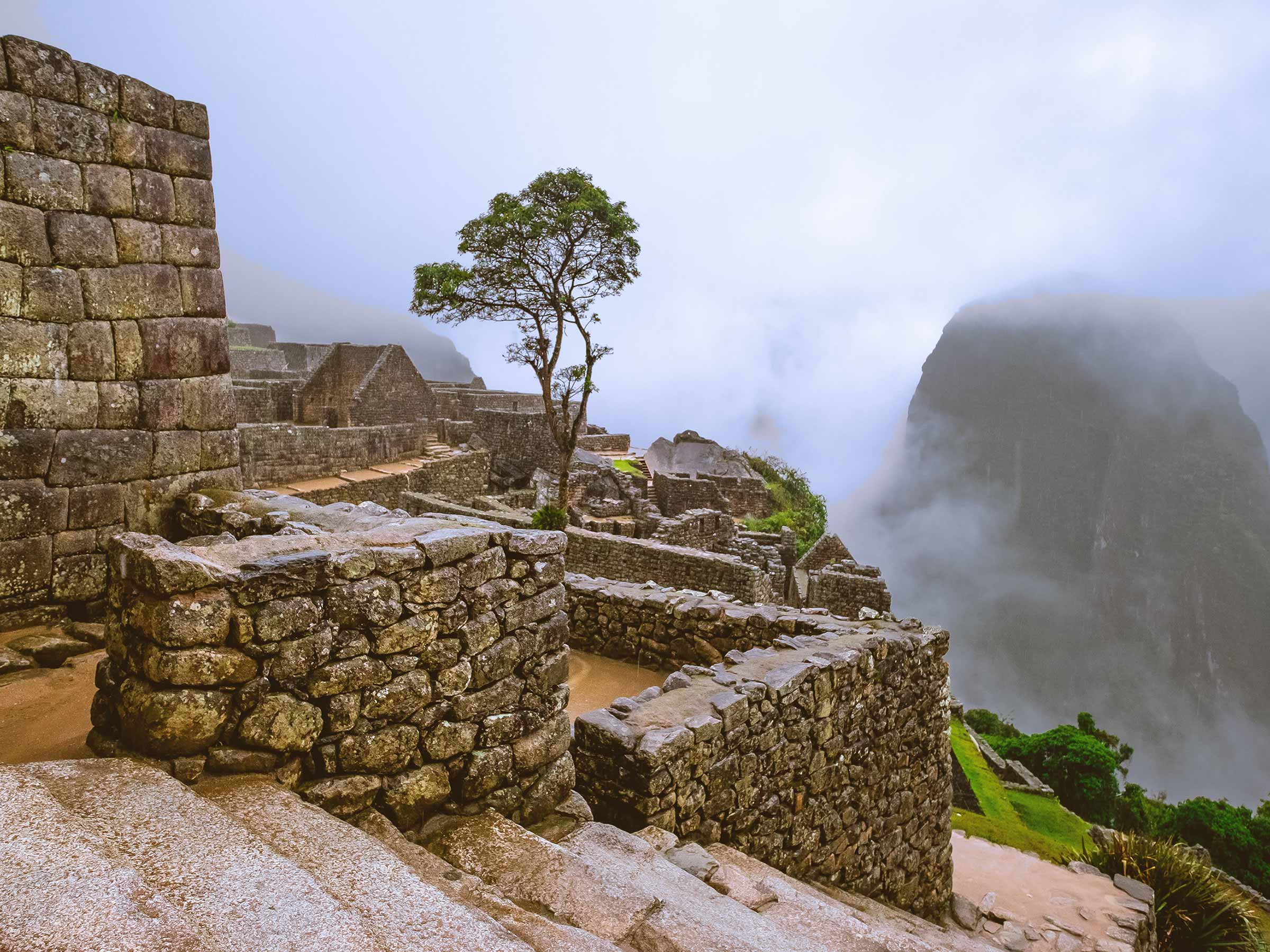




Thinking about a trek in Peru that’s both tough and full of cool culture? The Salkantay Trek to Machu Picchu might be for you. It’s near Cusco (which sits at about 11,150 ft / 3,400 m) and is a popular hike maybe less crowded than the famous Inca Trail. This guide looks at the trek especially if you go with a company called Salkantay Treks Peru.
What’s the Salkantay Trek Anyway?
Basically the Salkantay Trek is another way to hike to Machu Picchu in Peru. People call it Sallqantay or Salcantay too. It’s known as the second most popular trek in the Andes mountains there. Lots of folks choose it because it’s usually less busy than the Inca Trail and gets you close to nature and old Inca spots before you hit Machu Picchu one of the world’s modern wonders.
Why Hike the Salkantay Trail?
The Salkantay hike is a great option if you want something different from the Inca Trail. You get amazing views changing from snowy mountains to jungle areas. It’s a bit challenging but you see the huge Salkantay mountain one of the tallest in the Peruvian Andes and get a real feel for local culture.
Why Go with Salkantay Treks Peru?
The company Salkantay Treks Peru offers this trek and they focus on a few things to make the trip special:
- Small Groups: They keep groups small like around 12 people so the experience feels more personal. They can change the hiking speed and tell you stuff you’re actually interested in.
- Good Guides: Their guides are local experts who know the area and Inca culture really well. They share cool stories and facts you might not hear otherwise. People traveling often say having a good local guide makes all the difference you know?
- Yummy Food: Hiking takes energy right? They have chefs who cook up tasty filling meals and can handle special diets if you need it. Getting good food on a trek is definitely a plus.
- Eco-Friendly Travel: Salkantay Treks Peru tries to be good to the environment and local communities. This helps keep Peru’s nature awesome and makes sure local people benefit from tourism. Travelers often look for companies that care about this stuff.
- Cool Coffee Experience: You get a chance to see how coffee is made from picking the beans to drinking a cup guided by local farmers. It’s a neat way to learn about local life and taste some great Peruvian coffee a real ‘bean to cup’ thing.
- Staying Safe and Comfy: Even though it’s an adventure trek they provide good quality gear and comfy camping spots so you feel safe and get decent rest. Feeling secure lets you enjoy the hike more.
- Quality Gear: This means good tents and sleeping bags that handle the different weather you might hit on the trail. Essential for staying warm and dry.
- Real Cultural Stuff: Besides hiking you might get to hang out with local families learn about farming or maybe even see traditional ceremonies. It’s cool to connect with people like that when you travel.
- Help with Photos: Guides can help you get awesome pictures to remember your trip. So you can actually be in some photos not just taking them.
- Pachamanca Meal: A highlight is trying Pachamanca. It’s an old way of cooking food like meats and veggies underground with hot stones. Pretty cool to see and eat definitely something travelers talk about trying in Peru.
- Stargazing: Since you’re way out in the mountains with no city lights the night sky is amazing. They make it possible to just chill and check out the stars.
Going on the Salkantay Trek to Machu Picchu with Salkantay Treks Peru in Cusco seems set up to be a really rewarding and responsible way to do this awesome hike.
How High Does the Salkantay Trek Go?
The highest point on the Salkantay Trek is the Salkantay Pass. It’s at 4,630 meters or about 15,190 feet above sea level. That’s pretty high up so you gotta be ready for the altitude!
Common Questions (FAQ)
How Hard is the Salkantay Trek?
It’s usually called moderate to challenging. You need to be reasonably fit because the trail can be rough and you go up to high altitudes. It’s not a walk in the park but doable if you prepare.
Is the Salkantay Trek Dangerous?
Not really dangerous if you’re prepared but there are challenges. Altitude sickness (some travelers call it ‘soroche’) can be a real problem the weather can change fast and parts of the trail are steep or slippery. Going with good guides helps manage these risks.
How Cold Does it Get?
Temperatures can swing a lot. Daytime might feel okay maybe even warm in the sun but nights especially higher up near the Salkantay Pass can drop below freezing (0°C or 32°F). So yeah pack warm stuff layers are key like travelers always say.
How Do I Get Ready for the Trek?
Best way is to get in shape doing cardio like running or biking and some strength training for your legs. Super important: spend a few days in Cusco before the trek just hanging out to get used to the altitude. It really helps reduce the chance of getting sick up high. Take it easy those first few days.
What Should I Pack?
Packing right makes the trek way better. Here’s a basic list of what travelers usually bring:
- Your ID/Passport (and copies just in case)
- Clothes you can layer (quick-dry stuff is best not cotton)
- Rain jacket and windbreaker (must-haves)
- Hiking poles (can really help on ups and downs)
- Warm clothes (like a fleece or puffy jacket for cold nights)
- Waterproof hiking boots (make sure they’re broken in!)
- Backpack (around 30-40 liters maybe with a rain cover)
- Sun hat and sunglasses (the sun is strong at altitude)
- Water bottle or hydration pack (staying hydrated is crucial)
- Camera or phone for pics (obvs!)
- Snacks for energy (like trail mix protein bars chocolate)
Having this gear will set you up well for the different conditions on the Salkantay tours.
Wrapping it Up: Trails and Memories
Choosing the Salkantay Trek especially with a company like Salkantay Treks Peru means signing up for a big adventure with cool culture and beautiful nature. With good guides and support you get to see amazing places safely and comfortably. It’s more than just a hike it’s the kind of trip you won’t forget. You don’t just reach Machu Picchu you get an experience that really sticks with you long after you’re home.